The Reality of Heaven Testimonies: Do NDEs Actually Prove an Afterlife?
For decades, accounts of individuals who claim to have died, visited Heaven, met Jesus, and returned to share their stories have captivated millions. Whether through books, podcasts, documentaries, or viral social media posts, these accounts often describe vivid experiences of walking through Heaven, talking with angels, or receiving direct messages from God.
Such profound stories understandably bring up critical questions. Are these occurrences true glimpses into eternity? Are they reliable indicators of the heavenly realm? In this discussion, we explore the claims surrounding near-death experiences (NDEs), testimonies such as Gabe Poirot's reported encounter with Heaven, and why many Christians believe every supernatural claim should ultimately be tested against Scripture rather than personal experience.
Why Near-Death Experiences Capture So Much Attention
Typically, near-death experiences happen following major accidents, severe medical crises, or instances where an individual is pronounced clinically dead for a brief duration. Many individuals report remarkably vivid experiences, including encountering radiant lights, experiencing a profound sense of peace, moving through a tunnel, reuniting with departed loved ones, or believing they caught a glimpse of Heaven and Christ Himself.
Due to the emotional and transformative nature of these stories, they spread like wildfire across social media, TV networks, local churches, and Christian circles. To many individuals, these accounts provide powerful reinforcement for their belief in the afterlife. Conversely, others argue that spectacular supernatural claims must always undergo strict scriptural scrutiny.
Can Personal Experiences Be the Foundation of Truth?
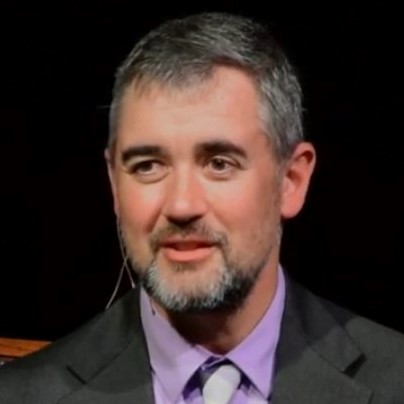
A core issue for many Christians is whether personal, mystical experiences can truly serve as solid proof of spiritual truth. Scripture frequently admonishes believers to walk in discernment rather than blindly accepting every supernatural claim.
Many Christians point to biblical texts that instruct the faithful to test the spirits, measure all teachings against the written Word, guard against spiritual deception, and rely on the objective truth of Scripture rather than subjective feelings. From a scriptural standpoint, even a deeply genuine experience can never supersede or equal the authority of God's Word.
The Growing Popularity of Heaven Testimonies
Lately, there has been a massive surge in the popularity of modern accounts of heavenly visitations. Numerous authors have released bestselling books detailing direct dialogues with Jesus Christ, elaborate descriptions of what Heaven looks like, encounters with well-known biblical personalities, or revelations about future events.
Certain accounts gain massive international traction, selling millions of copies and influencing entire congregations. Nevertheless, high sales and popularity do not automatically guarantee truth. As history routinely demonstrates, widely believed ideas can turn out to be completely false, making absolute discernment paramount.
Examining Claims Like Gabe Poirot's Story
Take, for instance, the widely discussed testimony of Gabe Poirot, who shared an account of spending eighteen days in Heaven and talking with Jesus before returning to his earthly life. Such stories naturally generate immense public interest because they offer an alleged firsthand glimpse into the eternal realm.
Followers and supporters frequently interpret these stories as uplifting validation of God's existence. Conversely, discerning believers argue that these assertions must be scrutinized by asking whether the account matches God's written Word or prioritizes a private experience above the public truth of the Bible. Rather than reacting out of pure emotion, mature believers advocate for measuring every single supernatural claim against biblical absolute truth.
Why Discernment Matters
Scripture repeatedly issues stern warnings regarding spiritual deception. It is critical to remember that not every vision, dream, miracle, or supernatural event originates from the Lord. In fact, the Bible warns that deceptive teachers and false prophets can perform spectacular wonders while simultaneously steering people away from sound doctrine.
Consequently, believers are urged to cultivate sharp spiritual discernment through consistently reading the Bible, seeking God's guidance through prayer, and critically evaluating every testimony. Ultimately, discernment safeguards the faithful from being swayed by highly emotional narratives that conflict with holy Scripture.
The Difference Between Faith and Experience
There is no denying that personal experiences are impactful, and many describe near-death events that forever reshape their worldview. Even so, true Christian doctrine asserts that saving faith is anchored in the objective Word of God, not fluctuating personal experiences.
While an experience can support or encourage one's walk, it must never take the place of the Bible as the supreme authority. This rule keeps the Church from anchoring its core convictions onto subjective tales that are impossible to test or prove.
Why Some Christians Question Heaven Testimonies
When it comes to assessing contemporary stories of traveling to Heaven, a few major concerns routinely surface.
Contradictory Descriptions
To begin with, separate accounts describe the architecture and nature of Heaven in wildly incompatible ways. Certain books feature details that openly clash with other testimonies, which cast doubt on their overall reliability.
New Revelations
In several instances, these accounts introduce theological ideas or mandatory beliefs not present within the biblical text. A vast majority of believers hold that the canon of Scripture is complete and must not be altered or added to by modern private visions.
Commercial Influence
The industry surrounding afterlife books, high-profile interviews, conferences, and documentaries can generate massive amounts of money. While profit motives do not strictly mean a testimony is false, it provides a strong reason for healthy skepticism instead of naive acceptance.
Emotional Appeal
Testimonies about eternity inherently trigger profound emotional reactions. Yet, strong emotional resonance should never take precedence over objective biblical analysis.
What Does the Bible Emphasize?
Rather than telling followers to chase after supernatural signs, out-of-body experiences, or visions, God's Word focuses heavily on faith in Christ, pursuing holiness in daily living, and proclaiming the good news of salvation to the world. Ultimately, the focal point of the Gospel is not individual mystical experiences, but the historical death, burial, and resurrection of Jesus Christ.
The Importance of Testing Every Teaching
Historically, the Christian Church has always upheld the duty of evaluating any new teaching by comparing it to the written Word. Whenever you encounter a story or teaching regarding visions, dreams, miracles, prophecies, or trips to Heaven and Hell, it is imperative to investigate if the message truly squares with Holy Writ.
A story might move you deeply, but emotional inspiration is not the same as divine truth. Checking everything against the Word allows Christians to stay securely grounded in reality rather than falling prey to imaginative speculation.
Finding Confidence in God's Word
For true believers, absolute certainty about the afterlife does PROOF People LIE About Going To Heaven not stem from NDEs, but from the infallible promises recorded in the Bible. Scripture offers rock-solid hope based entirely on the bodily resurrection of Christ and the ironclad guarantee of eternal life for all who believe. Rather than looking to modern books or viral videos for proof of Heaven, believers should anchor their hearts in the unchanging truth of Scripture.
Conclusion
Accounts of traveling to Heaven will undoubtedly continue to fascinate people globally. Testimonies dealing with traumatic injuries, near-death events, and conversations with the Lord will always provoke curiosity and serious thought.
Even so, the body of Christ is urged to confront all supernatural assertions with extreme wisdom, profound humility, and sharp discernment. Subjective encounters can sound incredibly convincing, yet they must always bow to the objective authority of the Bible.
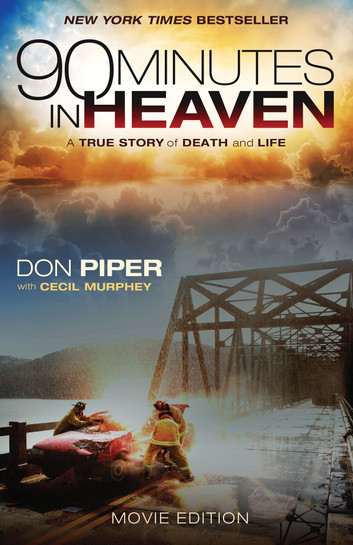
Whether evaluating near-death encounters, books about visiting paradise, or unique spiritual revelations, the absolute benchmark for truth will always be Holy Scripture. By anchoring their faith firmly in the written Word instead of spectacular phenomena, Christians can process these discussions confidently while keeping their eyes fixed squarely on the true Gospel.